A silver lining at Westwoods
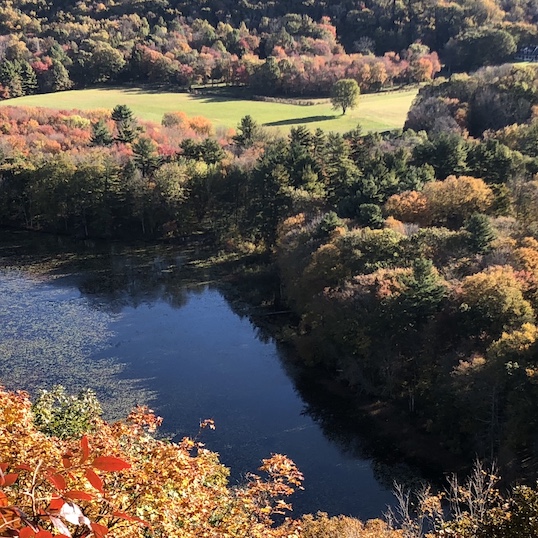
A severe six-acre April 2008 fire on the edge of Lost Lake and the hemlock mortality from the wooly adelgid shook Westwoods out of its tranquil ecological trajectory. But the loss of many majestic hemlock (some have survived at least for now) and oak has opened up a new ecological chapter.
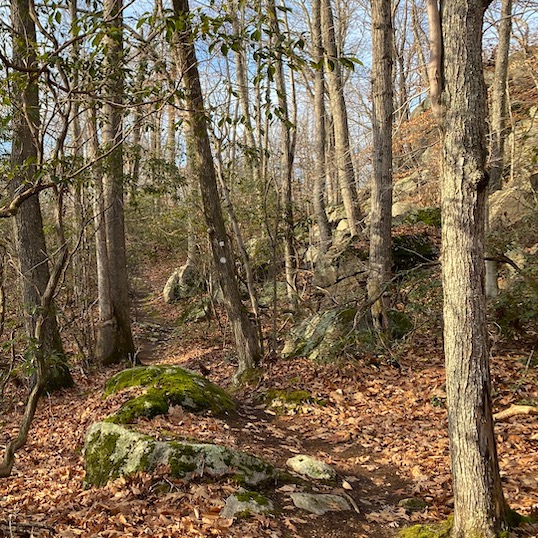
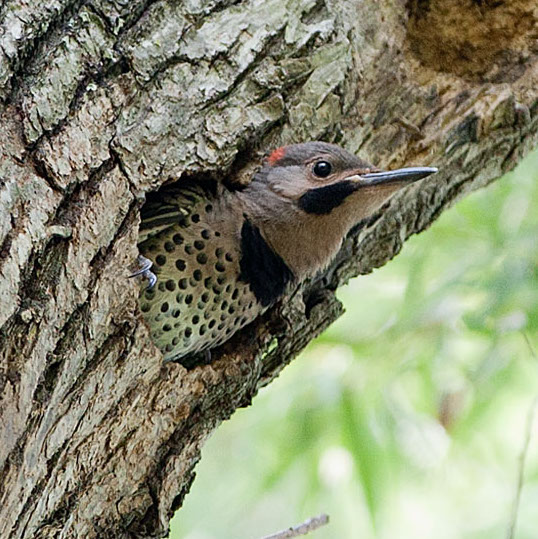
The standing dead trees provide great habitat structure for woodpeckers and other cavity-nesting birds. When the snags fall, the down logs make excellent cover for salamanders and great insect hunting for numerous small mammals and snakes. Dead wood is the basic building block of the forest-based food chain. Large quantities of standing dead and down wood are a characteristic often found in old growth forests. The hemlock mortality created old growth structure that would not have occurred at Westwoods for another century or two, or until the next category 3 or higher hurricane. Additional old growth structure created by the hemlock mortality includes canopy gaps (relatively small holes in the forest overstory).
The fire killed more large oak trees than a normal spring fire because of the large amount of dead hemlock increased its intensity. It created a large patch (another old growth structure) in the forest by killing a concentration of large oaks that paved the way for a new generation of sun-loving oaks and aspens to seed in that would have not been able to survive growing in the shade of an intact forest. Large new patches often host a unique suite of birds and mammals such as blue winged warblers, New England cottontail and bobcat. These species require dense young sapling forests that develop after most or all of the existing trees are killed.
Insect epidemics, hurricanes and frequent fires are among the historic disturbances that have helped sustain the biological diversity of our forest ecosystems for thousands of years. But pre- settlement fires probably burned at least 100 times as many acres annually as they do currently. Since fire and its ecological role have almost been completely extinguished from the landscape, a system of forest preserves alone will not sustain biological diversity.
Forest management in Cockaponset State Forest often involves ecosystem restoration that emphasizes helping ecosystems that are not sustaining themselves (mainly due to the precipitous drop in the occurrence of forest fires). This is usually done by designing and implementing harvests of small and large trees to mimic the effects of the historic natural disturbances. Harvests can be planned to greatly speed up the accumulation of old growth structure. Though a significant amount of restoration forestry is appropriate for much of Cockaponset, there will not be any harvests proposed at Westwoods during the forthcoming Forest Management Plan. The ecological clock was reset by the fire and fast-forwarded by the death of the hemlock without help from forest management.
Article by, Emery Gluck who is the forester for Cockaponset State Forest.
He can be contacted at 860 345-8522